


Why are digital communication systems the future?
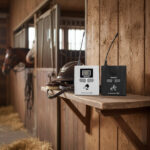
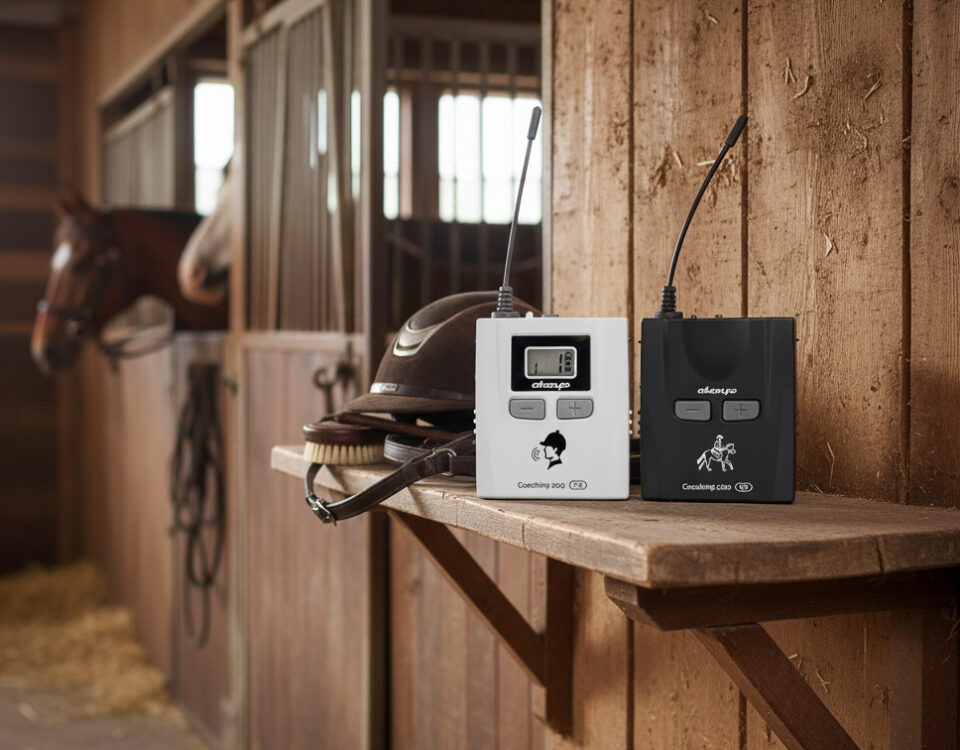
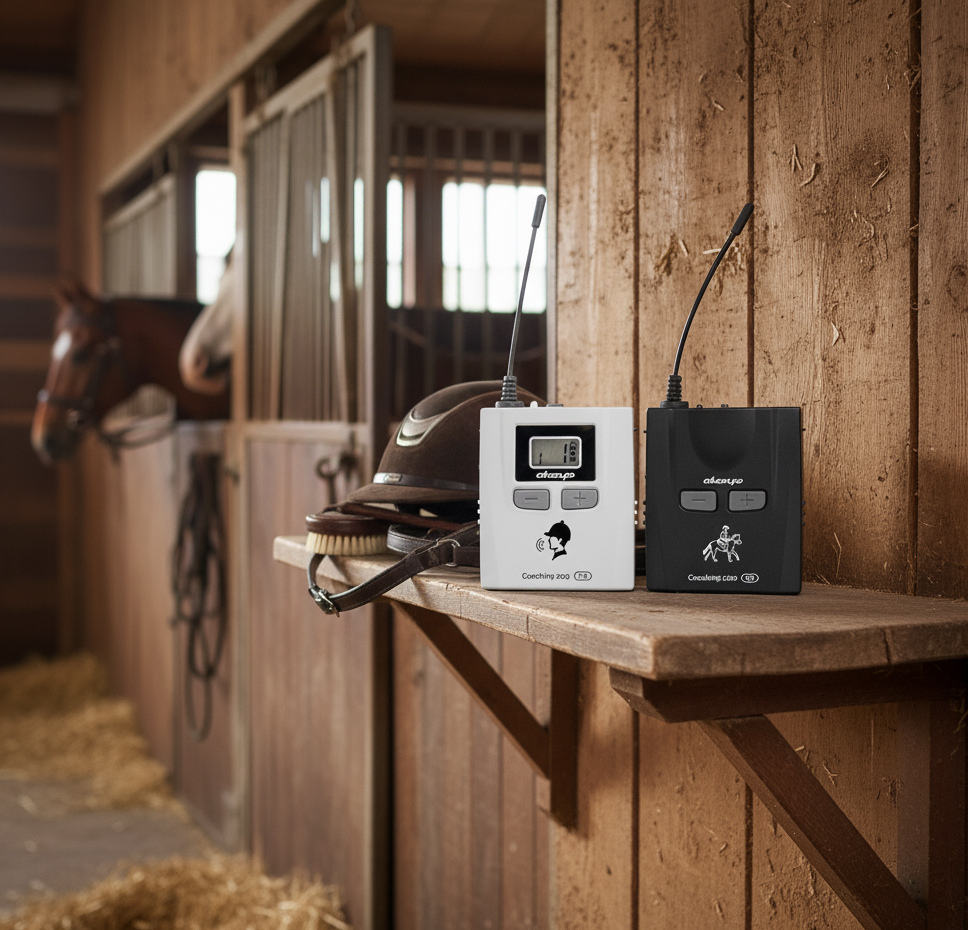
Communication during equestrian training
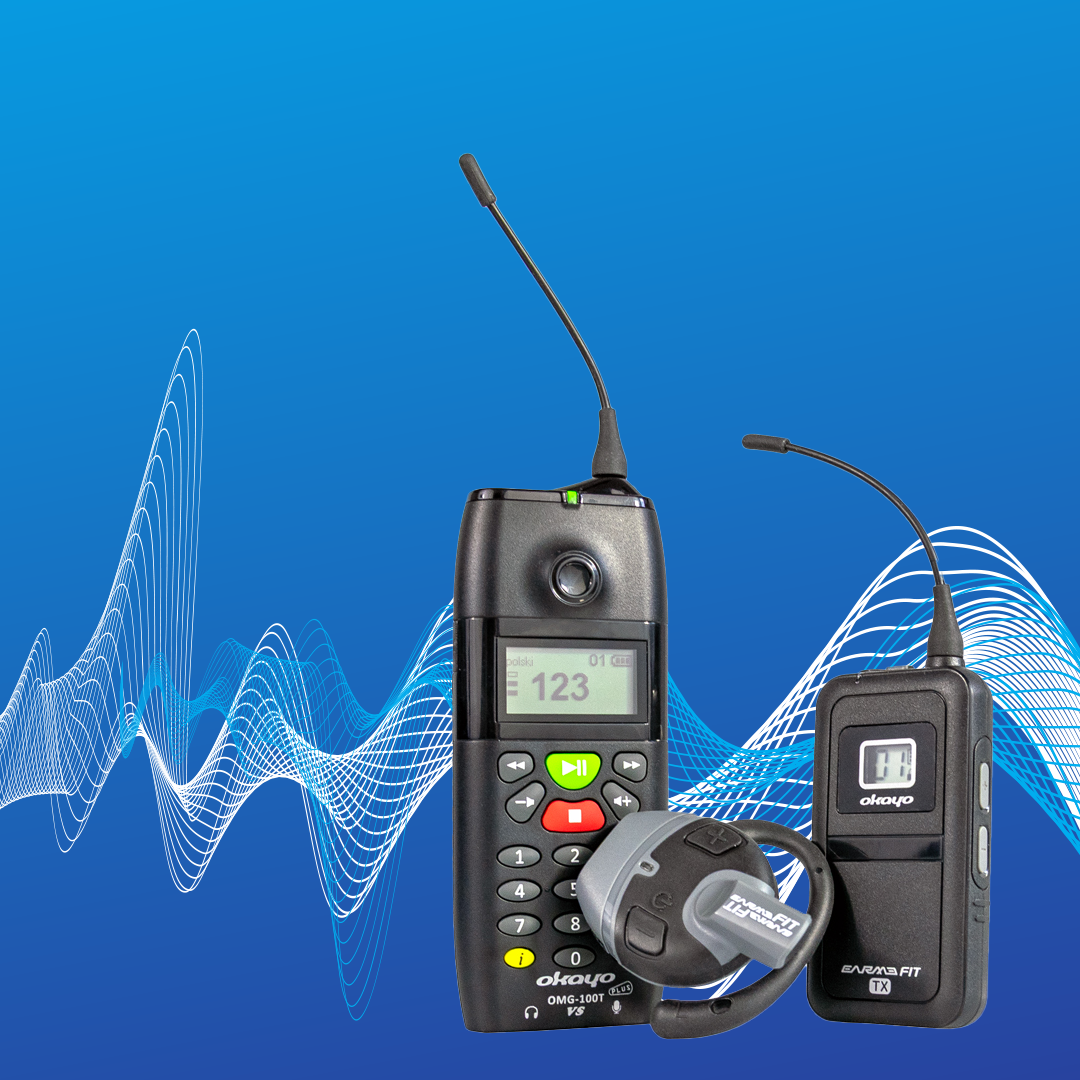
When deciding to purchase a wireless communication system, prospective tour guide system users pay attention to many technical aspects. In the context of radio communication, the term "line-of-sight range" often appears. This is an element to which potential users often assign the greatest importance in the technical specification. In the following paragraphs, we will explain what exactly this term means and how it translates into the actual user experience of a tour guide system.
What is line-of-sight range?
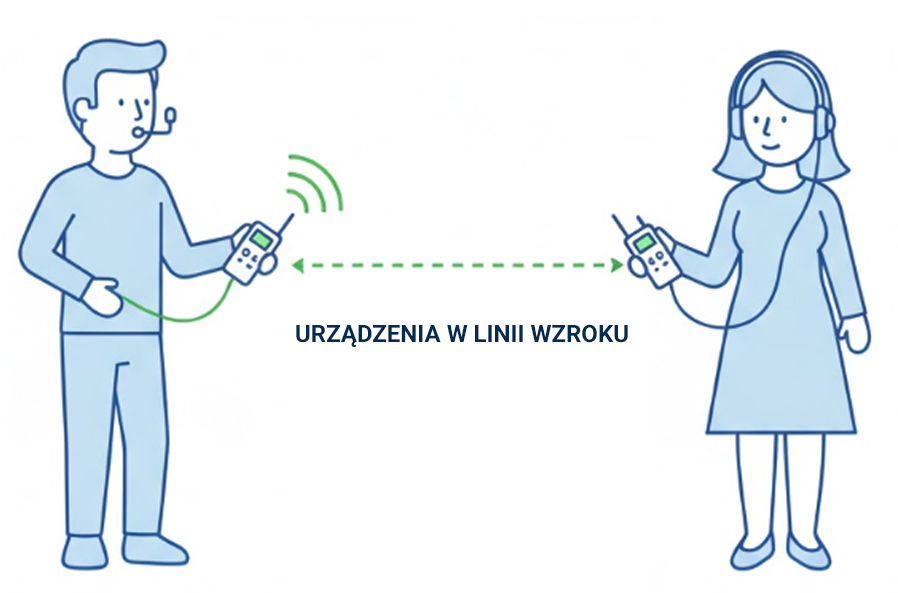
The term line-of-sight range is a key, but purely conventional, technical parameter provided by all manufacturers and distributors of tour guide systems on the market. It is based on the condition in which the guide's transmitter and the tourist's receiver are pointed directly at each other, without any obstacles (which is not always synonymous with people being able to see each other). In practice, this means that no physical obstacle can be directly in the path of the radio signal between the devices in order to utilize the full range potential.
What affects range?
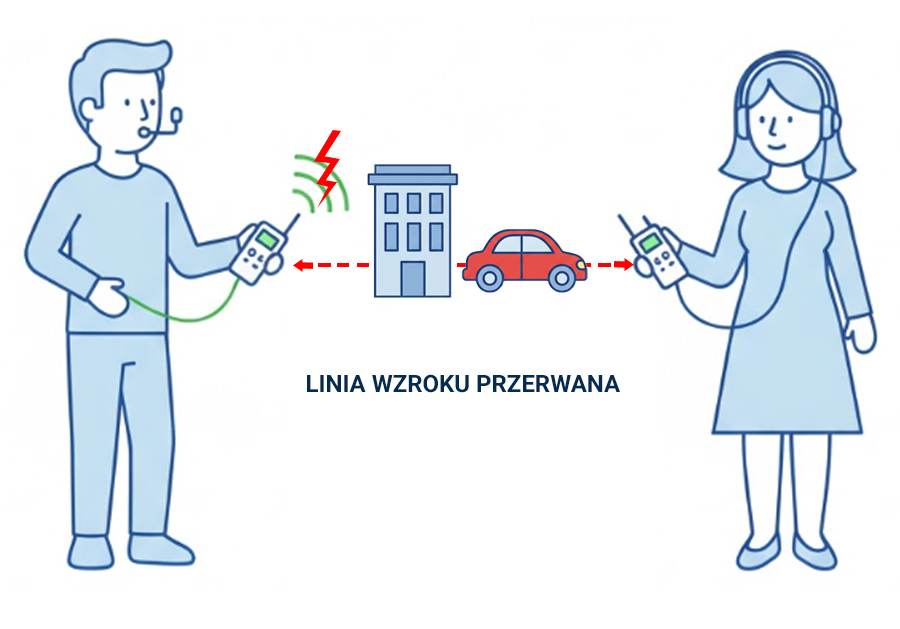
At the range limits, i.e., near the declared maximum, the signal is naturally more susceptible to interference and quality degradation. This happens because as the distance increases, the radio signal weakens, which is why crackling and noise may occur, and the guide's voice becomes robotic. In addition, range, and consequently audio quality, is influenced by many other external factors:
- atmospheric conditions - on a sunny day, the range may be more resistant to interference than in rainy weather,
- infrastructure - proximity to metal structures, scaffolding, reinforced concrete walls affects the range,
- other radio devices - gathering of a large number of different tourist groups with tour guide receivers in one place, proximity to military units.
How to deal with obstacles? The concept of effective range.
It is worth remembering that line-of-sight range does not equal effective range, which should be most important for users. Effective range, i.e., one that allows comfortable use in average conditions (e.g., 70-80m),
with moderate obstacles, is admittedly smaller, but still
fully sufficient for comfortable group guiding.
To fully utilize the capabilities that tour guide systems offer us, it is worth keeping up with the times
and trying to use the modern solutions that digital models offer. In addition to standard options, they have a greater number of simultaneous channels than old analog models. Thanks to simultaneous channels and better channel separation, groups do not interfere with each other. Digital tour guide systems also have channel migration options and additional features,
such as automatic search for interference-free channels.
Summary
Let us remember that the key to reliable communication is not the pursuit of maximum theoretical range, but the choice of technology that performs best in real, complex conditions. When investing in a tour guide system, let us focus on the effective range parameter and on digital solutions that actively manage interference. Choosing modern equipment directly translates into tourist satisfaction and guide work comfort.